Contact Us
RIC Development, LLC
17 State Street, Suite 2320 New York NY 10004

This project has been designed to comply with all applicable fire codes, building codes, environmental regulations, and utility interconnection requirements. Independent engineers, fire safety professionals, and local authorities review compliance throughout development.
The NFPA has specific standards for BESS, including NFPA 855, which address fire safety, installation and operation. This project has been designed to NFPA 855.
This battery energy storage system (BESS) project is designed in accordance with, and rigorously tested to, specific standards defined by Underwriters Laboratories (UL), a 3rd party, independent product safety certification organization. In addition to UL, battery energy storage systems are designed in accordance to national electrical codes, fire protection codes, and safety codes, and can also be adapted to comply with both state and local codes and standards. The standards created and defined by UL are continuously reviewed and updated to ensure that safety is the number one priority for all battery energy storage systems.
Examples of relevant UL standards that this battery energy storage system has been certified to are as follows:
RIC Energy respects the surrounding environment of our projects. With over twenty years of experience and an in-house Environmental team, we ensure we are good neighbors with all flora and fauna.
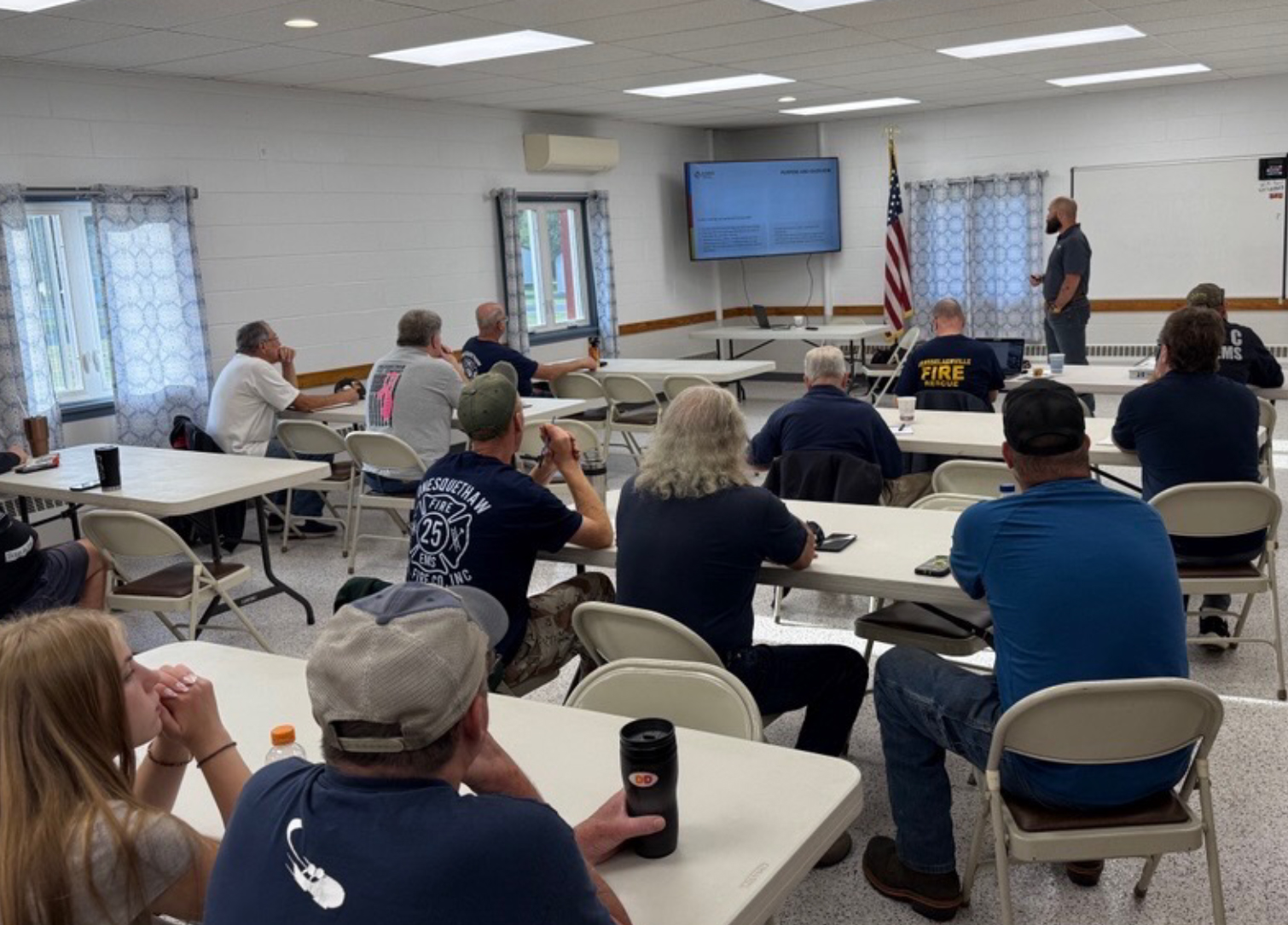
Strong partnerships with fire departments and fire protection experts are essential for each project. While the development of battery energy storage systems is growing, RIC Energy is offering training to full time and volunteer fire departments.
Attendees speak highly of the training staff, all former firefighters and battery energy storage experts who regularly train municipal firefighters on safety procedures.